
For decades, Amritsar was defined by the crackle of tandoors and the unmistakable aroma of butter-laden kulchas. The city did not just serve food, it served emotion on steel plates, often eaten standing, elbows brushing against strangers who quickly became part of the experience. Fine dining was never the point. Flavour was.
But something has been quietly shifting.
A new generation, a rising affluent class, and a more travelled audience have begun to demand something beyond nostalgia. They want experience. They want aesthetics. They want a story plated as carefully as the food itself. And Amritsar, surprisingly yet confidently, is responding.
From Streets to Statements
The transformation is not about replacing the old. The kulcha still rules. The langar still humbles. But alongside this legacy, a parallel dining culture is emerging. One that embraces design, global cuisine, curated menus, and Instagram-friendly spaces.
What used to be a city of quick indulgence is now learning the art of lingering.
The Beach Comes to Punjab
Step into Elgin Cafe and you almost forget where you are. Tucked away in the Cantonment area, the space leans into a relaxed, almost coastal vibe. Think lush greens, open airy sections, and an ambience that feels closer to a beachside café than a North Indian city.
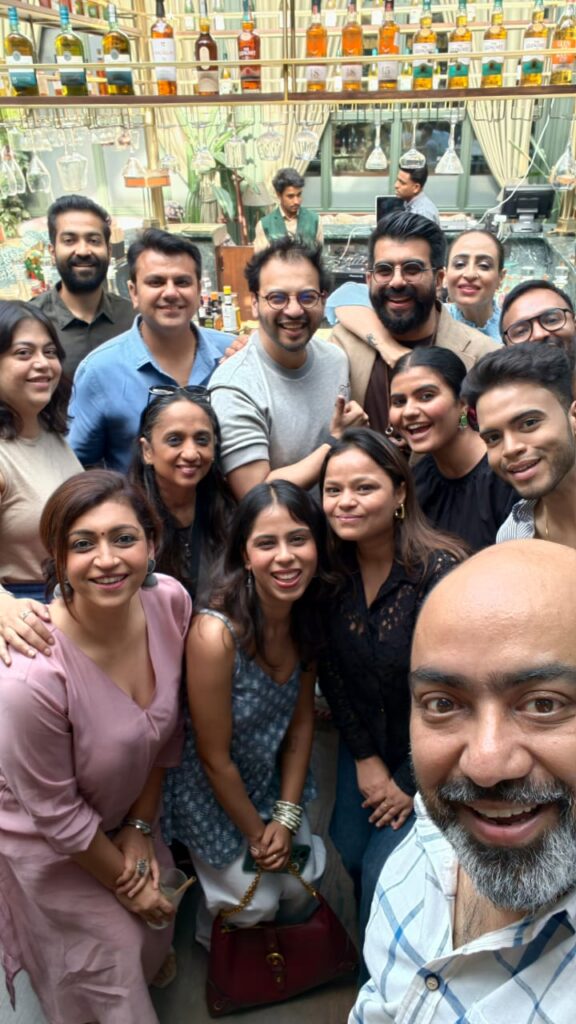

It is designed as a day to night destination, where brunch conversations melt into cocktail evenings with live music and curated menus spanning Italian and global flavours.
The charm here lies in its escapism. It offers Amritsar something it never really asked for before, but now seems to enjoy. A pause. A setting. A mood.
Zen, Space, and Scale
If Elgin Cafe whispers, Grain By Elgin speaks in a more confident tone.
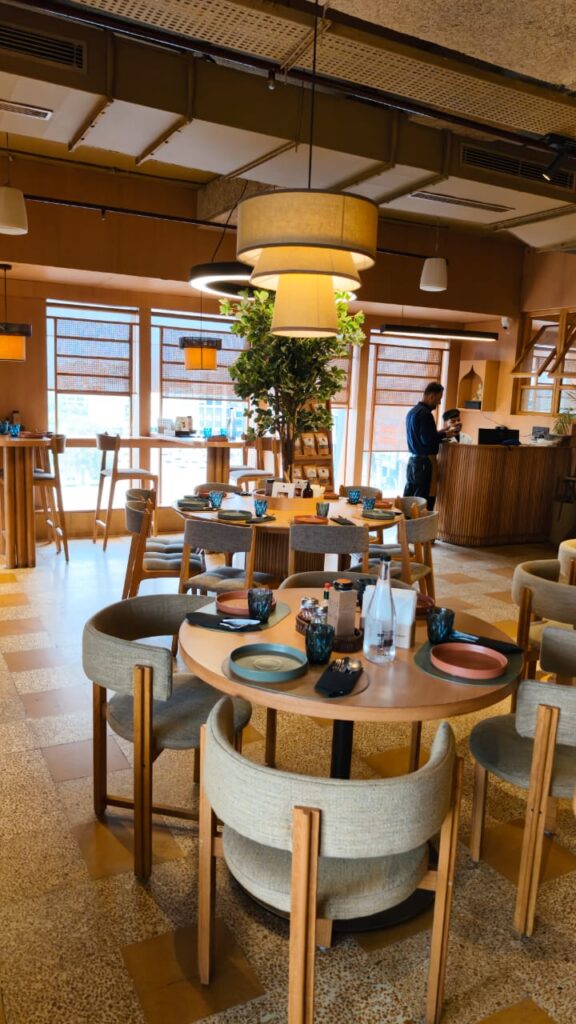
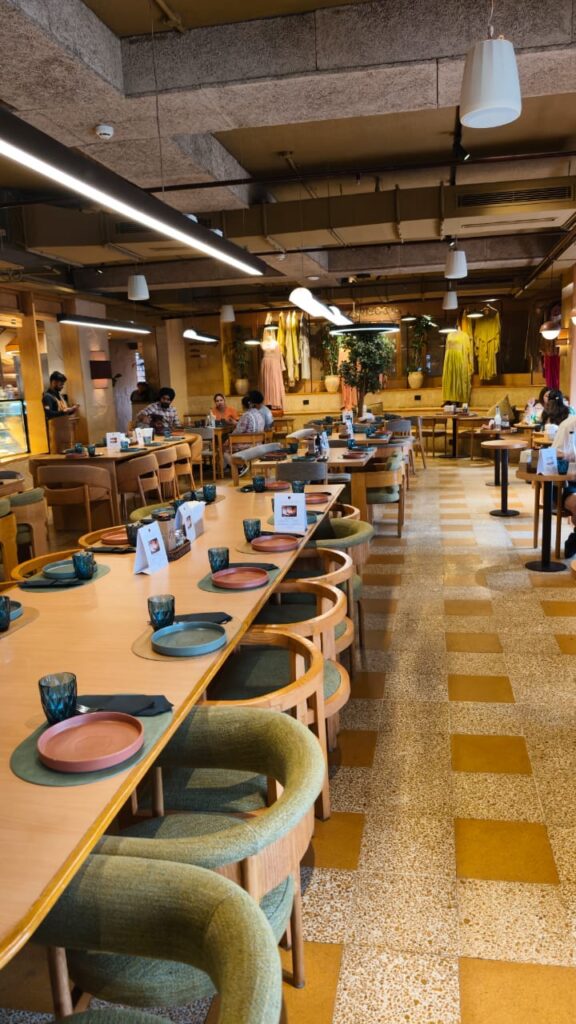
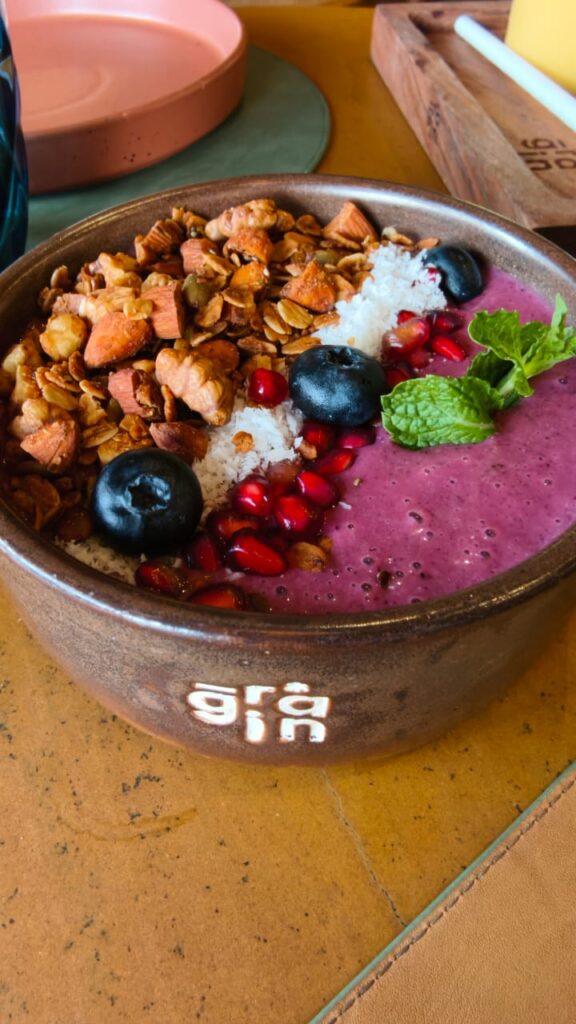
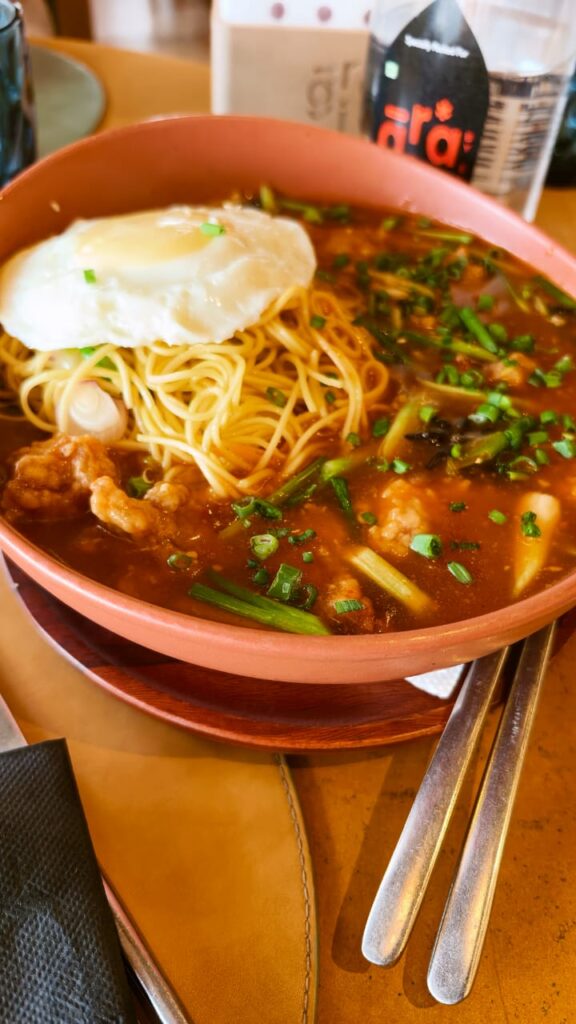
Located in Ranjit Avenue, this expansive, nearly 250 seater space represents a different kind of ambition. It is large, modern, and deliberately designed to feel global. The menu travels from sushi to Mediterranean plates, while the interiors aim for a calm, almost zen like vibe that distances itself from the chaos of traditional dining.

This is not just a restaurant. It is a signal. That Amritsar is ready to host scale driven, high spend dining experiences where the evening is as much about the setting as it is about the food.

Heritage Reimagined
And then comes the most telling sign of change. The arrival of spaces like The Governor House.
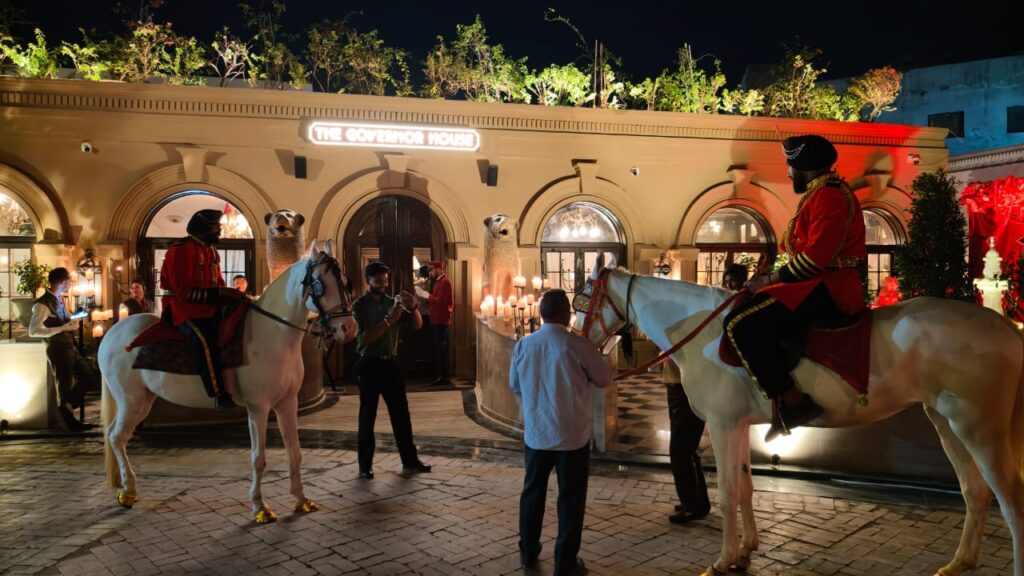
An old haveli (Circuit House) transformed into a modern Indian fine dining destination, it brings together the past and the present in a way that feels both respectful and aspirational.
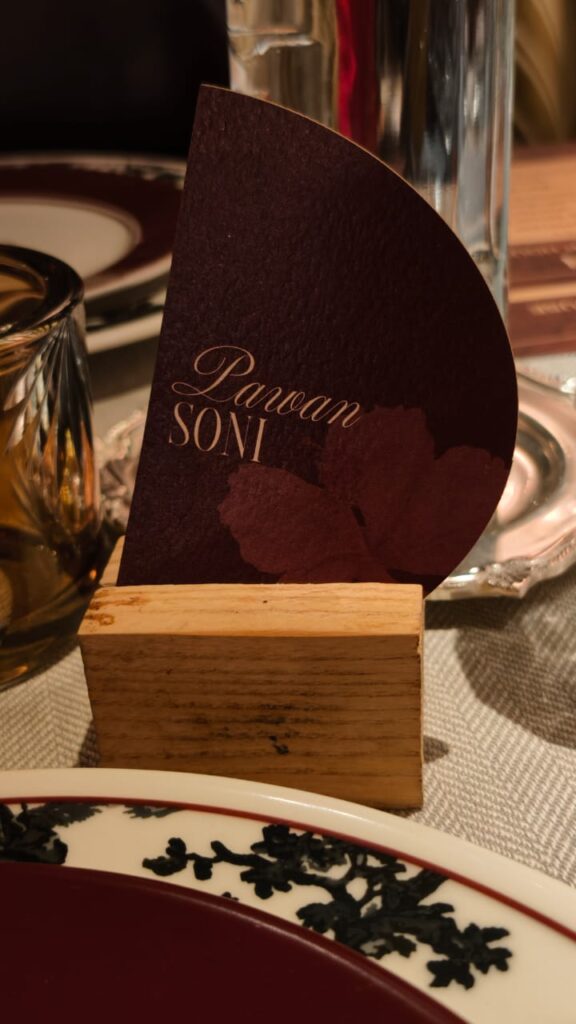
White table cloth service, live piano, and a focus on refined Indian cuisine mark a sharp departure from the city’s traditionally informal dining culture.
This is not nostalgia. This is reinvention.
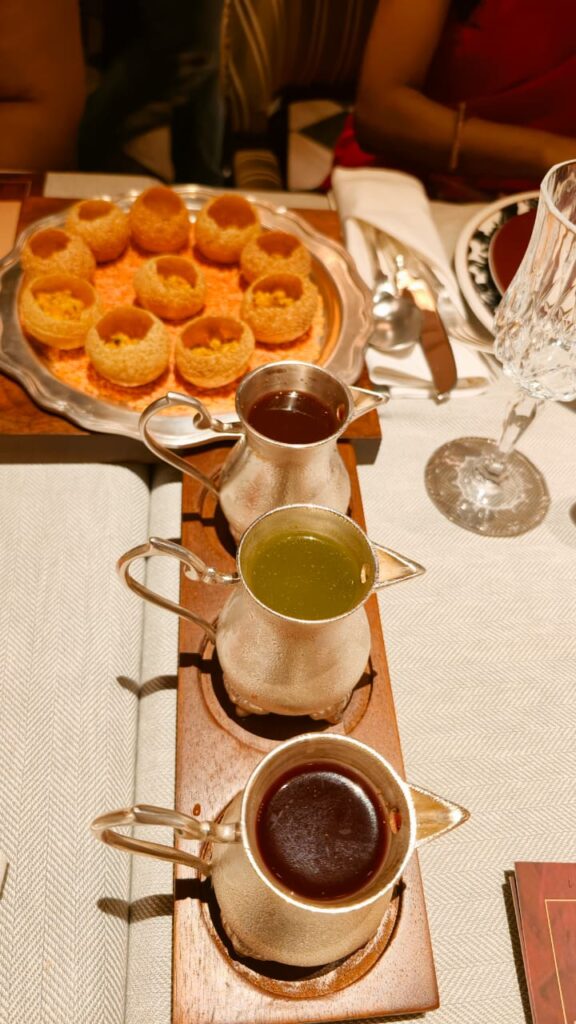
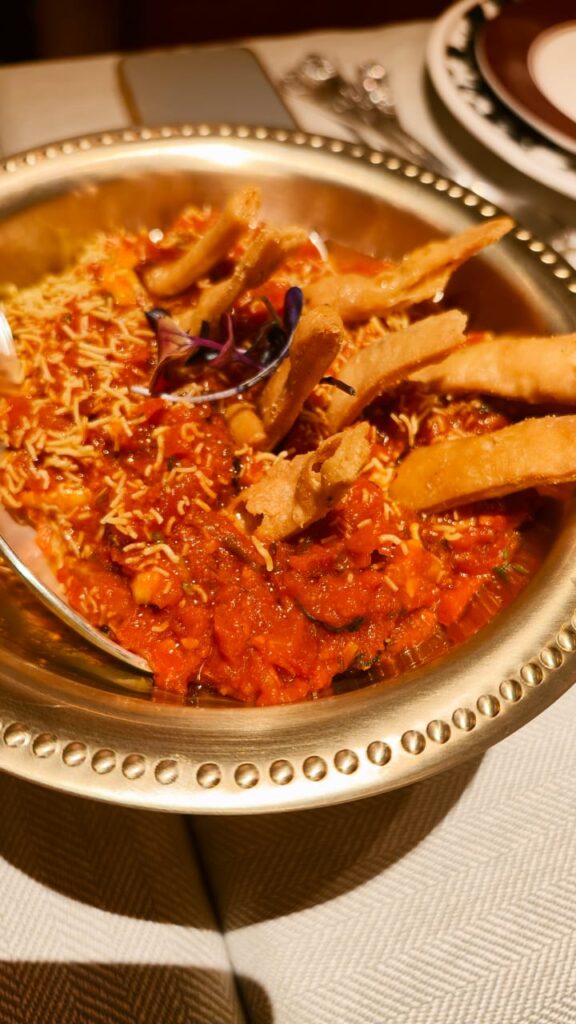
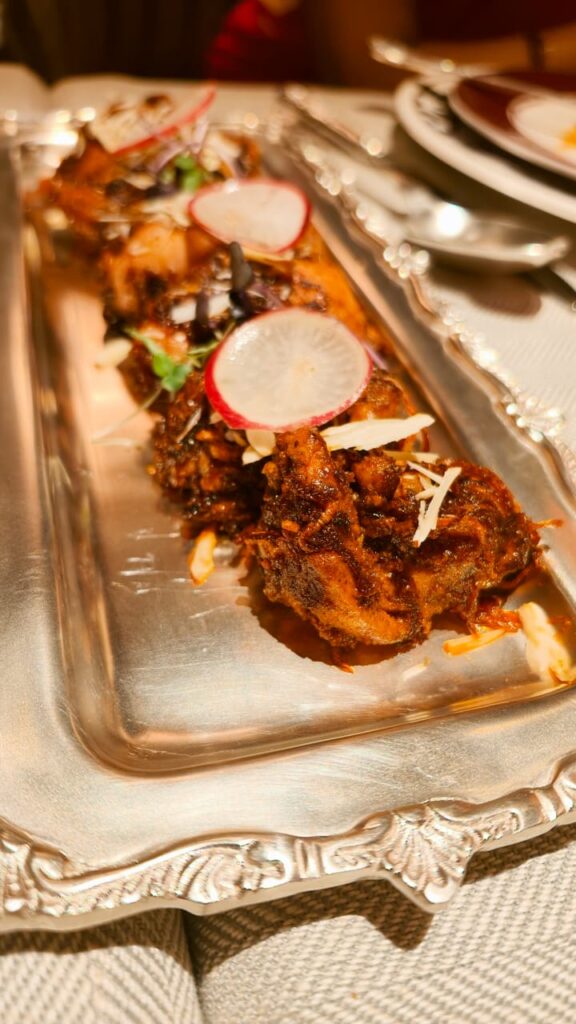
The haveli is no longer just a relic. It is now a stage.
A City Learning to Dress Up
What is fascinating is not just the emergence of these restaurants, but what they represent.
Amritsar is no longer eating out just to eat. It is dressing up, reserving tables, choosing wines, and occasionally, lingering over dessert instead of rushing back to the next bite.
There is a clear shift from consumption to experience.
And yet, the soul of the city remains intact. Just a few kilometres away from these swanky spaces, you will still find queues outside a kulcha joint at 9 in the morning.
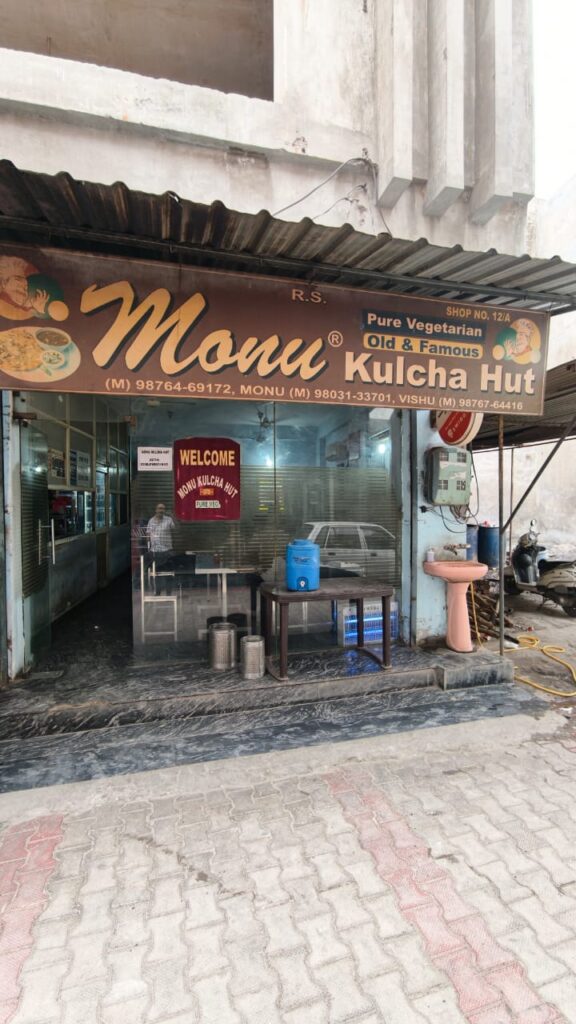
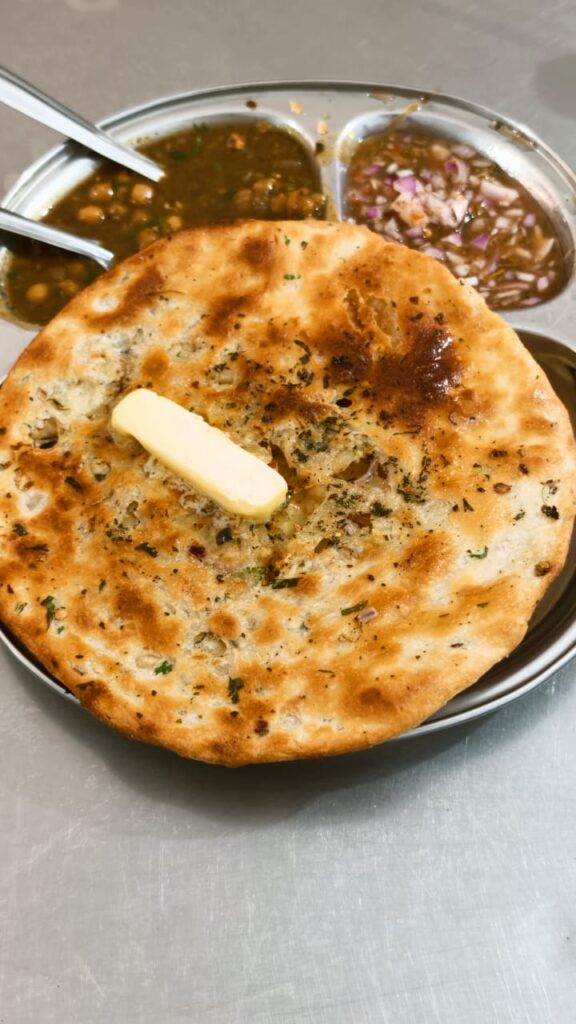
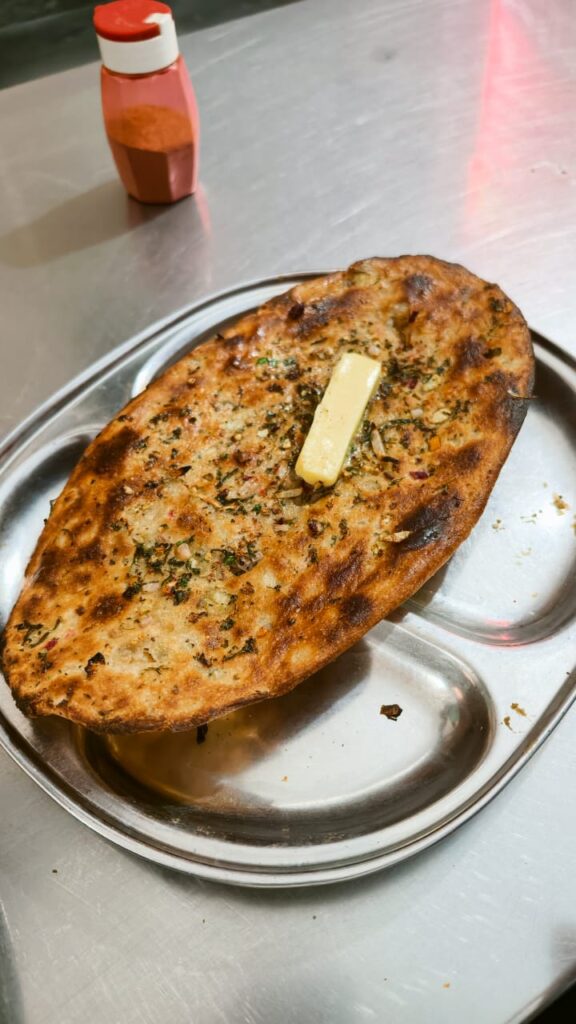
That duality is what makes this transition so compelling.
The Road Ahead
Will Amritsar ever become a full blown fine dining capital? Perhaps not in the traditional sense.
But it does not need to.
What it is becoming is far more interesting. A city where heritage and aspiration coexist. Where a traveller can begin the day with a plate of chole kulche and end it under soft piano notes in a restored haveli.
And somewhere in between, pause at a café that feels like Goa and dine in a space that feels like Tokyo.
That is not just evolution. That is confidence on a plate.
